Help Prevent Algae
Use Phosphorus-free Fertilizers

Choose fertilizers with a “0” as the middle number (N–P–K) to avoid adding phosphorus. The three numbers represent nitrogen (N), phosphorus (P), and potassium (K).
Dispose of Grass Clippings & Leaves
Don’t leave clippings or leaves on your yard, hard surfaces, or near the shoreline. As they break down, they release phosphorus into the water. NEVER BLOW THESE INTO THE WATER.
Remove Weeds from Shoreline
Remove weeds by hand when possible. Decomposing plant matter releases phosphorus back into the lake.
Pick up Pet Waste
Clean up after pets and be mindful of wildlife waste. Animal waste is a significant source of phosphorus pollution.
Cover Bare Soil / Fix Erosion
Plant grass or native vegetation to stabilize soil. This helps reduce runoff and naturally filters nutrients before they reach the water.
Do Not Wash Boats / Cars
Many soaps and detergents contain phosphates that can harm water quality.
Do Not Feed Waterfowl
Plant Shoreline Plants to Filter Runoff
Plant Shoreline Plants to Filter Runoff
Feeding birds attracts large numbers, increasing waste and nutrient pollution in the lake.
Plant Shoreline Plants to Filter Runoff
Plant Shoreline Plants to Filter Runoff
Plant Shoreline Plants to Filter Runoff
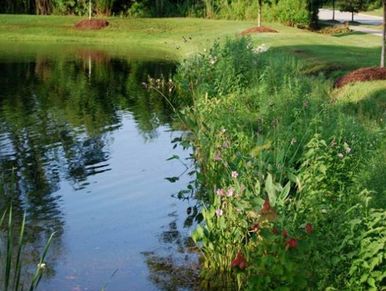
A diverse mix of native plants helps absorb excess nutrients like phosphorus and nitrogen, reduces runoff, and shades the water helping prevent algae blooms.
Limit Irrigation
Plant Shoreline Plants to Filter Runoff
Limit Irrigation
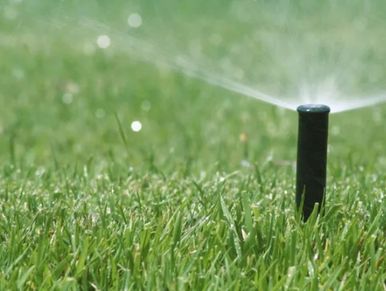
Overwatering lawns and gardens can cause runoff that carries nutrients and waste into the lake. Water only when necessary.